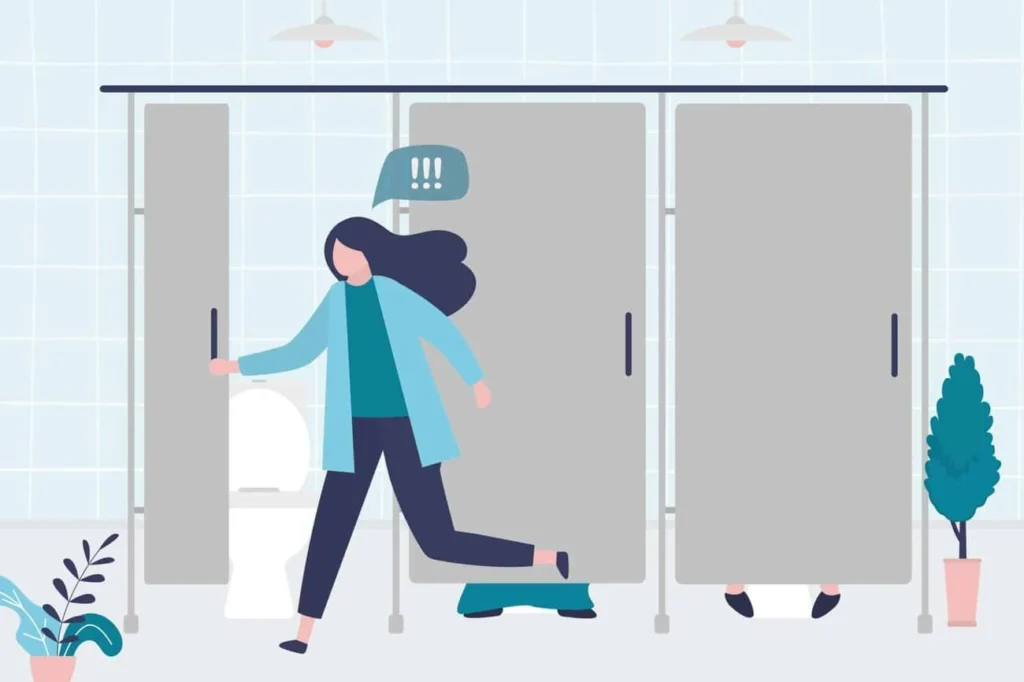
Urinary incontinence is more common than many people realise. It might be a small leak when you cough or laugh, or a sudden urge to use the toilet that leaves you rushing to get there in time.
For some people, it happens occasionally. For others, bladder problems become part of everyday life, affecting sleep, work, exercise and social activities.
Although urinary incontinence becomes more common with age, it can affect adults of different ages and genders.
Several possible causes exist, and identifying what’s behind your symptoms is an important first step toward managing them.
At LA LIPO, we understand that bladder concerns can be difficult to discuss. This guide explains the different types of urinary incontinence, what may cause them, how they’re assessed and which treatment options are available.
What Is Urinary Incontinence?
Urinary incontinence means passing urine unintentionally.
It doesn’t always involve losing large amounts of urine. Some people experience occasional small leaks, while others have more frequent episodes that affect their daily routine.
Bladder leakage can happen for different reasons, including changes in pelvic floor function, bladder activity, nerve signalling or difficulties emptying the bladder.
The type of incontinence matters because treatments that help one person may not suit someone with different symptoms.
What Causes Urinary Incontinence?
There isn’t always one clear reason why someone starts experiencing bladder leakage. Sometimes it’s linked to changes in the body, while in other cases, an underlying health condition or medication may be involved.
Pregnancy and childbirth
Bladder leakage is something some women first experience during pregnancy or after having a baby. As the baby grows, there’s more pressure on the bladder and pelvic floor. Giving birth can also affect the muscles and tissues that help control urination.
For many women, these symptoms improve as their bodies recover. However, if leakage continues, it’s worth speaking to a GP or pelvic health physiotherapist rather than simply putting up with it.
Ageing and hormonal changes
As we get older, the muscles and tissues involved in bladder control can change. Hormonal changes, particularly around menopause, may also affect the bladder and urinary tract, making symptoms more noticeable for some women.
Menopause-related changes may also contribute to urinary symptoms in some women.
Pelvic floor muscle problems
The pelvic floor muscles help support the bladder and contribute to urinary control.
If these muscles aren’t working effectively, leakage may occur during activities that increase pressure inside the abdomen.
Pelvic floor problems aren’t always caused by weakness. Muscle coordination and other aspects of pelvic floor function can also play a part.
Medical conditions and medication
Urinary tract infections, diabetes, neurological conditions and certain medications can contribute to urinary symptoms.
An enlarged prostate can also affect bladder emptying in men.
Constipation may worsen some bladder symptoms.
Because the possible causes vary, don’t assume weak pelvic floor muscles cause all urinary leakage.
What Are the Different Types of Urinary Incontinence?
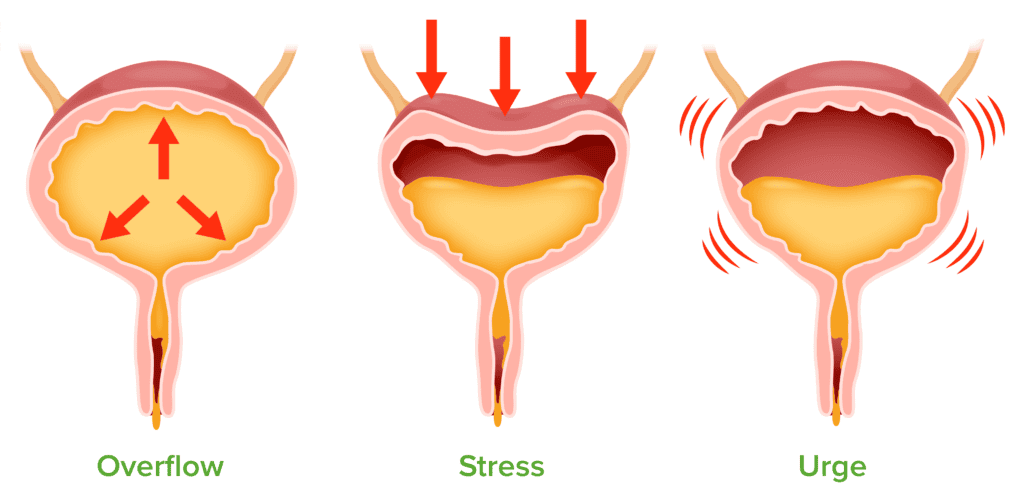
Stress urinary incontinence
Stress incontinence happens when urine leaks during activities that put pressure on the bladder.
Common examples include:
- Coughing or sneezing
- Laughing
- Running or jumping
- Lifting heavy objects
- Certain types of exercise
It can be associated with changes in pelvic floor support or the mechanisms that keep the urethra closed.
Urge urinary incontinence
With urge incontinence, you might suddenly feel desperate to use the toilet, even if you’ve only recently been. The feeling can come on with very little warning, and sometimes urine leaks before you manage to reach the bathroom.
This type of leakage is often associated with an overactive bladder. You may also find yourself going to the toilet more often than usual throughout the day or waking several times during the night to pass urine.
Mixed urinary incontinence
Mixed incontinence means experiencing symptoms of both stress and urge incontinence.
For example, someone might leak urine when coughing but also feel a sudden urge at other times.
Treatment usually considers which symptoms are most troublesome.
Overflow urinary incontinence
Overflow incontinence can happen when the bladder doesn’t empty properly.
This may lead to frequent dribbling or leakage as the bladder becomes overly full.
Possible causes include obstruction, difficulties with bladder muscle function or problems affecting the nerves involved in urination.
Overflow incontinence requires medical assessment because the underlying problem may need specific treatment.
Functional urinary incontinence
Sometimes a person can recognise the need to use the toilet but has difficulty reaching it or managing clothing in time.
Mobility problems, cognitive difficulties or environmental barriers may contribute.
Support focuses on the individual’s circumstances rather than assuming there is a problem with the pelvic floor.
How Is Urinary Incontinence Diagnosed?
If you’ve started experiencing bladder leakage, your GP is a sensible first point of contact.
They may ask when the symptoms began, how often they occur and whether anything seems to trigger them.
An assessment may include:
- A discussion of your symptoms and medical history
- A urine test to check for infection or other abnormalities
- A bladder diary recording fluid intake and toilet visits
- An appropriate physical examination
- An assessment of pelvic floor function
- Further investigations or specialist referral where needed
Not everyone requires scans, cystoscopy or urodynamic testing.
The tests recommended will depend on your symptoms and what the initial assessment identifies.
What Treatments Are Available for Urinary Incontinence?
No single treatment suits every type of urinary incontinence.
Your healthcare professional may recommend a combination of approaches depending on the cause and severity of your symptoms.
Pelvic floor muscle training
Pelvic floor exercises are commonly recommended for stress and mixed urinary incontinence.
For women with these symptoms, NICE recommends a supervised pelvic floor muscle training programme lasting at least three months as an initial treatment.
A pelvic health physiotherapist can help assess muscle function and explain how to perform the exercises correctly.
Bladder training
Bladder training is commonly recommended for urge incontinence and overactive bladder symptoms.
It involves gradually working towards better control over the timing of toilet visits.
NICE recommends a programme lasting at least six weeks as a first-line approach for women with urgency or mixed urinary incontinence.
Lifestyle adjustments
Some people find that changes to everyday habits help them manage bladder symptoms.
Depending on individual circumstances, advice may include reviewing caffeine intake, managing constipation, adjusting fluid intake or addressing other factors that contribute to symptoms.
It’s important not to restrict fluids excessively, as dehydration can cause additional problems.
Medication
Certain medications may be prescribed for overactive bladder symptoms.
These work in different ways and can have side effects, so the choice depends on medical history, symptoms, and individual suitability.
Medication isn’t appropriate for every type of urinary incontinence.
Specialist procedures and surgery
When initial treatments haven’t provided sufficient relief, a specialist may discuss additional options.
These can include certain procedures or surgery, depending on the diagnosis.
What Is LA-EMS Pelvic Floor Stimulation?
LA LIPO offers information about its LA-EMS electromagnetic pelvic floor stimulation service.
The equipment uses electromagnetic energy intended to produce involuntary contractions in the pelvic floor muscles.
Unlike conventional pelvic floor exercises, the equipment generates these contractions rather than voluntary muscle movements.
However, producing muscle contractions does not, by itself, establish that a device can effectively treat urinary incontinence.
Clinical evidence for electromagnetic pelvic floor technologies varies, and findings from one device cannot automatically be applied to another.
LA-EMS should not be presented as a proven replacement for supervised pelvic floor training, bladder training, prescribed medication or specialist medical treatment.
Before considering this type of service, it’s important to understand the equipment’s intended use, available evidence, contraindications and limitations.
How does LA LIPO’s home-based service work?
LA LIPO provides a home-based LA-EMS service, bringing equipment to customers for private use after an initial consultation, demonstration, and setup.
The team can explain how the equipment operates, what the arrangement involves and what support is available.
A medical assessment should take place where urinary symptoms have not already been investigated.
The equipment must also be used in accordance with its manufacturer’s instructions and applicable safety requirements.
Find out more: LA-EMS Incontinence Treatment.
LA-EMS Compared With Established Urinary Incontinence Treatments
It’s important to distinguish between the different approaches.
Pelvic floor muscle training and bladder training are established initial treatment options for particular types of urinary incontinence.
Medication may be prescribed for certain bladder conditions, while surgery or other specialist procedures may be considered in selected cases.
Electromagnetic pelvic floor devices work differently, and their clinical effectiveness may not match established treatments.
A non-surgical device is not automatically suitable, risk-free, or effective.
Anyone considering LA-EMS for urinary symptoms should first understand their diagnosis and discuss appropriate treatment options with a qualified healthcare professional.
Are There Risks or Limitations With Electromagnetic Pelvic Floor Stimulation?
Electromagnetic stimulation is not suitable for everyone.
Potential concerns include discomfort during use, temporary muscle soreness and contraindications relating to certain implanted devices or medical conditions.
Pregnancy and other circumstances may also restrict use, depending on the equipment manufacturer’s instructions.
The available evidence does not establish that every electromagnetic pelvic floor device has the same safety profile.
Before using LA-EMS, review the specific equipment, relevant medical history, and manufacturer guidance.
Anyone experiencing unexplained urinary symptoms should seek medical assessment rather than relying on a device to address the problem.
Can Urinary Incontinence Be Prevented?
Not every case of urinary incontinence can be prevented.
Some risk factors, including certain medical conditions and changes following childbirth, may be outside a person’s control.
However, looking after pelvic floor health, managing constipation and seeking advice about troublesome bladder symptoms may help.
For people experiencing leakage, absorbent pads and protective underwear can also provide practical support while an underlying problem is being assessed or treated.
These products help manage leakage but don’t treat its cause.
How Can Urinary Incontinence Affect Everyday Life?
Bladder problems can affect much more than toilet habits.
Some people start planning journeys around toilet access. Others avoid exercise, social events or activities where they’re worried about leakage.
Interrupted sleep can also leave people feeling tired during the day.
These experiences can be frustrating or embarrassing, but urinary incontinence is a medical concern that deserves appropriate attention.
Speaking to a healthcare professional can help identify possible causes and available support.
Frequently Asked Questions About Urinary Incontinence
What is LA-EMS pelvic floor stimulation?
LA-EMS is LA LIPO’s electromagnetic pelvic floor stimulation service. The equipment is intended to produce pelvic floor muscle contractions using electromagnetic energy. Whether it can improve urinary symptoms depends on evidence specific to the device and its intended use.
Is LA-EMS a proven treatment for urinary incontinence?
The effectiveness of electromagnetic pelvic floor stimulation cannot be assumed from the technology alone. Claims about treating urinary incontinence require appropriate clinical evidence for the specific equipment and treatment protocol.
Can LA-EMS replace pelvic floor exercises?
LA-EMS should not be considered an established replacement for supervised pelvic floor muscle training. NICE recommends pelvic floor training as an initial treatment for women with stress or mixed urinary incontinence.
Is LA-EMS suitable for urge incontinence?
Suitability cannot be determined from symptoms alone. Urge incontinence can have several contributing factors, and bladder training is a recognised initial approach. A healthcare professional should assess symptoms before considering other interventions.
Can LA-EMS help overflow incontinence?
There is insufficient evidence to recommend LA-EMS for overflow incontinence. Difficulty emptying the bladder can have causes requiring specific medical treatment, so assessment is important.
How many LA-EMS sessions will I need?
There is no universally established number of electromagnetic pelvic floor sessions that guarantees improvement in urinary incontinence. LA LIPO can explain its equipment arrangements, but any proposed schedule should follow manufacturer guidance and should not be presented as a guaranteed treatment course.
Can men experience urinary incontinence?
Yes. Urinary incontinence affects men and women. Prostate conditions, surgery, neurological conditions and bladder problems are among the possible contributing factors.
When should I speak to a GP about urinary leakage?
It’s sensible to contact your GP if you experience urinary incontinence, particularly if symptoms are new, persistent or affecting everyday life.
Seek urgent medical advice for symptoms such as an inability to pass urine, and prompt assessment for blood in the urine or symptoms suggesting infection. New bladder problems alongside severe back pain, saddle numbness or leg weakness require emergency assessment.
How much does LA-EMS cost?
LA LIPO can explain its current pricing and home-service arrangements.
You can view further information on our Incontinence Treatment Prices page.
Where can I find reliable information about urinary incontinence?
The NHS urinary incontinence guidance explains symptoms, assessment and available treatment options.
Your GP can also advise on appropriate continence services and specialist referrals.
Understanding Your Options
Urinary leakage can be inconvenient, uncomfortable and sometimes difficult to talk about.
But it can happen for different reasons, and understanding the cause is more useful than assuming every bladder problem needs the same treatment.
A GP or continence healthcare professional can help identify the type of incontinence and discuss appropriate options.
If you would also like information about LA LIPO’s home-based electromagnetic pelvic floor equipment, our team can explain how the service works, what the equipment involves, and the limitations to consider.
Contact LA LIPO
Call 03300 100 238 or visit our contact page.
Important information: This article provides general information and is not a substitute for medical advice, diagnosis or treatment. Urinary incontinence has several possible causes, some of which require medical investigation. LA-EMS electromagnetic pelvic floor stimulation should not be considered a replacement for established continence treatments. Claims about improvements in urinary leakage, pelvic floor strength or bladder control require robust clinical evidence specific to the device and its intended use. Equipment suitability, risks and contraindications must be assessed individually. Seek advice from your GP or a qualified continence healthcare professional if you have persistent or unexplained urinary symptoms.