When it comes to changing your body shape, advice is everywhere. From adjusting what you eat and becoming more active to exploring cosmetic treatments, the options can sometimes feel overwhelming.
One treatment you may have come across is cryolipolysis, often called fat freezing. It’s a non-surgical procedure that uses controlled cooling on selected areas of body fat.
But how does it compare with more familiar approaches, such as diet and exercise? And what should you know before considering treatment?
The key thing to understand is that weight management and cosmetic fat reduction aren’t the same. They serve different purposes, and you shouldn’t confuse one with the other.
In this guide, we’ll explore those differences, explain how cryolipolysis works and look at the risks, limitations and practical considerations involved.
Understanding Traditional Weight Management
For many people, managing their weight starts with everyday habits. What we eat, how active we are, our sleep patterns and certain medical conditions can all influence body weight.
No single diet or exercise routine works for everyone. Finding something manageable over the longer term is generally more useful than making dramatic changes that are difficult to maintain.
Diet and Nutrition
Eating habits play an important part in weight management, but this doesn’t mean following a highly restrictive diet.
A balanced approach might involve paying closer attention to portion sizes, including a variety of nutritious foods and recognising habits that contribute to eating more than your body needs.
Weight loss generally occurs when energy intake remains below energy expenditure over time.
However, age, medication, medical conditions and individual circumstances can influence how easily someone manages their weight.
For people living with obesity or experiencing unexplained weight changes, advice from an appropriate healthcare professional may be helpful.
Exercise and Physical Activity
Regular movement offers benefits that go well beyond changes on the scales.
Walking, swimming, cycling and strength training can all contribute to physical fitness. Resistance exercises can also help maintain or develop muscle strength.
You don’t necessarily need an intensive gym routine to benefit from being more active.
The key is finding activities that suit your health, mobility, and daily life.
Remember that exercise doesn’t let you choose exactly where your body loses fat. Genetics, hormones and other factors influence how body fat is distributed.
Behavioural Support and Long-Term Habits
Sometimes the challenge isn’t knowing what changes to make. It’s finding ways to keep those changes going.
Stress, working hours, family responsibilities and established routines can all influence eating and activity habits.
Behavioural support may involve setting realistic goals, identifying patterns and making gradual adjustments.
For some people, structured weight-management programmes or professional support can be useful.
What About Herbal Remedies and Fat-Burning Supplements?
You’ll find plenty of products marketed as natural ways to burn fat or speed up metabolism.
However, natural doesn’t automatically mean effective or safe.
Many supplements promoted for weight loss lack convincing clinical evidence, and some may interact with medication or cause unwanted effects.
If you’re considering a supplement, it’s sensible to speak to a pharmacist or suitable healthcare professional, particularly if you take regular medication.
What Is Cryolipolysis?
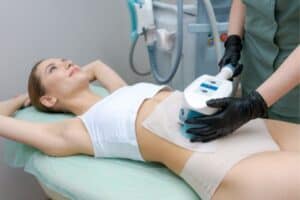
Cryolipolysis is a cosmetic procedure that uses controlled cooling to target selected areas of subcutaneous fat, the fat found just beneath the skin.
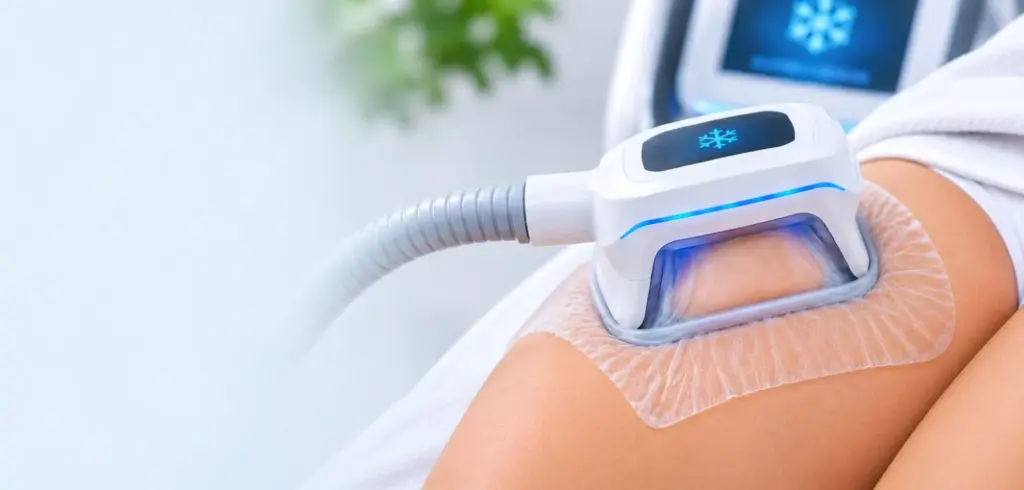
During treatment, an applicator is positioned over the chosen area. Depending on the equipment, suction may draw tissue into the applicator while it delivers cooling.
The aim is to affect fat cells within the treated tissue. Over time, the body may gradually process cells damaged by the cooling.
Cryolipolysis has been investigated as a method of reducing localised fat deposits, although the evidence and expected outcomes depend on the particular device, treatment protocol and individual circumstances.
Cryolipolysis is not a treatment for obesity or a substitute for weight management.
It is also important to distinguish between the technology’s intended action and the results a particular device has been shown to achieve.
Cryolipolysis vs Diet and Exercise: What’s the Difference?
Although these approaches are sometimes discussed together, they serve different purposes.
| Can support overall weight management | Intended for cosmetic treatment of selected fat deposits |
| May influence body fat across different areas | Applies controlled cooling to a particular treatment area |
| Offers wider physical health benefits | Does not provide the general health benefits of physical activity |
| Requires ongoing lifestyle habits | Involves one or more cosmetic treatment sessions |
| Changes depend on individual circumstances | Cosmetic outcomes depend on the device and individual response |
Someone interested in improving overall health or managing excess body weight is generally better served by appropriate lifestyle and healthcare support.
A person considering cryolipolysis may have a different goal, such as exploring whether a particular area of body fat is suitable for cosmetic treatment.
Neither approach guarantees a particular body shape.
Cryolipolysis vs Liposuction
Liposuction and cryolipolysis are sometimes grouped because both concern body fat. However, they are very different procedures.
Liposuction
Liposuction is a surgical procedure in which specialist equipment physically removes fat.
It involves incisions and may require general or local anaesthesia, depending on the procedure.
Discuss recovery, aftercare, and potential complications with an appropriately qualified surgical professional.
Cryolipolysis
Cryolipolysis doesn’t involve surgical incisions or the physical extraction of fat.
Instead, it uses controlled cooling to affect fat cells in the selected area.
Although it avoids some of the risks associated with surgery, it still carries its own potential complications.
The two procedures shouldn’t be regarded as interchangeable, and neither is intended as a general treatment for obesity.
What Results Can You Expect From Fat Freezing?
This is understandably one of the first questions people ask.
Cryolipolysis has been studied for its potential to reduce localised subcutaneous fat, but results vary from person to person.
The equipment used, treatment settings, amount and characteristics of the tissue, and individual response can all influence the outcome.
Some people may notice changes in the appearance of the treated area, while others may see little or no visible difference.
Changes, where they occur, may develop gradually over several weeks or months.
It wouldn’t be appropriate to promise a particular percentage of fat reduction, number of centimetres lost or specific result without robust evidence relevant to the equipment and treatment being offered.
Are Fat Freezing Results Permanent?
Cryolipolysis is intended to damage some fat cells in the treated area, but that doesn’t mean the area’s appearance will remain unchanged indefinitely.
Remaining fat cells can increase in size, and changes in body weight may affect body contours.
Long-term outcomes also vary, so permanent cosmetic results shouldn’t be guaranteed.
Is Cryolipolysis Safe?
Cryolipolysis is non-surgical, but that doesn’t make it risk-free.
The procedure exposes tissue to controlled cooling, which can cause temporary reactions and, occasionally, more serious complications.
Possible side effects and risks include:
- Redness, bruising and swelling
- Pain, tenderness or discomfort
- Temporary numbness or changes in skin sensation
- Tingling or sensitivity in the treated area
- Uneven contours or unwanted changes in appearance
- Cold-related skin injury, including blistering
- Prolonged pain or altered sensation
- Paradoxical adipose hyperplasia (PAH)
What Is Paradoxical Adipose Hyperplasia?
PAH is an uncommon but important complication associated with cryolipolysis.
Instead of shrinking, the fatty tissue in the treated area can enlarge, sometimes creating a firm or noticeably raised area.
This may become apparent months after treatment and can require specialist assessment. In some cases, surgeons may consider surgical intervention.
Anyone considering fat freezing should be aware of this risk before deciding whether to proceed.
Who Might Not Be Suitable for Cryolipolysis?
Not everyone will be suitable for treatment.
The decision depends on medical history, the area being considered, the particular equipment and any relevant contraindications.
Factors that may prevent treatment or require further assessment include:
- Pregnancy
- Cold-sensitive conditions, such as cryoglobulinaemia or cold agglutinin disease
- Certain circulation or nerve-related conditions
- Reduced sensation in the proposed treatment area
- Existing skin damage, infection or inflammation
- Previous surgery or other procedures affecting the area
- Hernias or structural concerns in the proposed treatment region
- Certain medications or medical conditions that may affect treatment safety
This isn’t a complete list.
Contraindications vary between devices, and the manufacturer’s instructions must be considered alongside an individual suitability assessment.
Anyone with an underlying medical condition or uncertainty about their suitability should seek appropriate medical advice.
How Much Downtime Is Needed After Fat Freezing?
Recovery experiences differ. Some people return to their normal routine relatively quickly, while others experience tenderness, swelling, bruising or changes in sensation that take longer to settle.
Occasionally, complications may require medical assessment or further treatment.
Your practitioner should explain what reactions may occur, how to care for the treated area and which symptoms require medical attention.
Don’t ignore severe or increasing pain, blistering, significant skin changes, or other unexpected symptoms.
How Many Cryolipolysis Sessions Will I Need?
There isn’t a set number of sessions that applies to everyone.
The area being considered, the device used, treatment limitations and individual response may all influence whether further treatment is appropriate.
Some people may decide against additional sessions, particularly if the first treatment hasn’t produced the changes they hoped for.
Additional treatments shouldn’t be recommended automatically, and any decision should follow a fresh assessment of the area and the possible risks.
Cryolipolysis at Home With LA LIPO
At LA LIPO, we offer a mobile cryolipolysis service, allowing customers to explore treatment options at home.
Before proceeding, it’s important to discuss your medical history, expectations and whether the proposed area is appropriate for treatment.
Your practitioner should explain how the equipment works, the potential risks and any relevant aftercare.
We aim to provide clear information so you can make an informed decision rather than promising a particular cosmetic outcome.
If you’re interested in learning more, you can contact LA LIPO to discuss the service and arrange an initial consultation.
Frequently Asked Questions About Traditional Weight Loss and Cryolipolysis
Can cryolipolysis help me lose weight?
Cryolipolysis isn’t intended as a weight-loss treatment. It’s intended for cosmetic treatment of localised fat deposits, and any visible changes depend on the equipment used and your individual response.
If your main concern is excess body weight, a healthcare professional can help you explore suitable weight-management options.
Does fat freezing work on stubborn belly fat?
The abdomen is one area commonly considered for cryolipolysis. However, suitability depends on the type and amount of tissue, your medical history and the equipment being used.
Fat freezing targets subcutaneous fat rather than the deeper visceral fat surrounding internal organs. A visible reduction in abdominal size cannot be guaranteed.
How long does it take to see results from cryolipolysis?
Changes, if they occur, may develop gradually over several weeks or months. Some people may not notice a significant difference.
Don’t rely on a fixed timeline or assume everyone will respond the same way.
Is cryolipolysis painful?
People may experience cold, pulling, pressure or discomfort while the applicator is in place.
Pain, tenderness and changes in sensation can also occur afterwards. Some reactions last longer than others, and more serious complications are possible.
The procedure shouldn’t be described as completely painless.
Can I exercise after fat freezing?
When you can return to exercise depends on how you feel after treatment and any reactions you experience.
Your practitioner should provide aftercare instructions based on the equipment used and the area treated.
If you develop significant pain, swelling or other concerning symptoms, seek medical advice before resuming strenuous activity.
Do I need to follow a special diet after cryolipolysis?
There isn’t an established special diet required to process fat cells affected by cryolipolysis.
A balanced eating pattern can support general health and weight management, but it shouldn’t be presented as a way to accelerate the procedure’s effects.
Can fat return after cryolipolysis?
Body fat distribution can change over time, particularly if your weight changes.
Even where treatment affects some fat cells, remaining cells may increase in size. Cryolipolysis doesn’t prevent future weight gain or guarantee permanent body contours.
Is cryolipolysis suitable for everyone?
No. Certain medical conditions, cold-related disorders and other factors can make the procedure unsuitable.
A proper assessment is needed before treatment, and some people may be advised not to proceed.
Can cryolipolysis replace liposuction?
Not necessarily. Liposuction is a surgical procedure, while cryolipolysis uses controlled cooling.
They differ in how they work, their risks and their potential outcomes. Anyone considering surgical fat removal should seek advice from an appropriately qualified surgical professional.
Choosing the Right Approach for You
There isn’t one right way to approach concerns about body weight or shape.
If your goal is to improve your overall health, manage your weight or become more active, changes to everyday habits and appropriate healthcare support may be a useful starting point.
If you’re considering a cosmetic procedure, understanding what it can realistically achieve is just as important as knowing how it works.
Cryolipolysis is one option for localised fat reduction, but it has limitations, potential complications, and outcomes that vary between individuals.
At LA LIPO, we’re happy to explain how our home-based cryolipolysis service works, discuss suitability considerations and answer questions about the treatment process.
Interested in finding out more?
Contact LA LIPO to discuss our mobile cryolipolysis service and arrange a consultation.
Important information: This article provides general information about weight management, cryolipolysis and cosmetic fat reduction. It is not medical advice. Cryolipolysis carries risks, including pain, swelling, skin injury, changes in sensation, uneven contours and paradoxical adipose hyperplasia. Treatment may not be suitable for everyone, and results cannot be guaranteed. Assess medical conditions and contraindications before proceeding. Any claims about the effectiveness of a particular device must be supported by appropriate clinical evidence.