You’ve had fat freezing, and now you’re wondering what happens next. Does the fat disappear on its own? Should you drink more water, change your diet or exercise more often to help the process along?
These are common questions, especially when the treated area looks much the same in the first few weeks.
Fat freezing, also called cryolipolysis, is designed to reduce localised fat beneath the skin. It isn’t a weight-loss treatment, and no special diet, drink, or exercise routine has been proven to make the treated fat cells disappear faster.
Understanding what happens after treatment can help you manage your expectations and care for the treated area as it settles.
What Happens to Body Fat After Fat Freezing Oxfordshire?

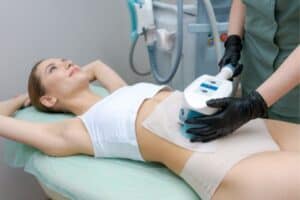
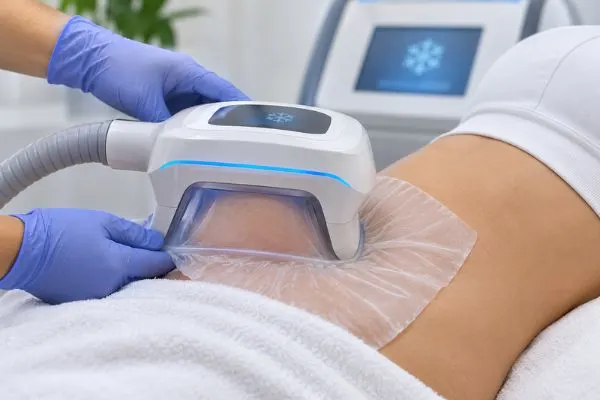
Cryolipolysis Oxfordshire uses controlled cooling to target fat cells beneath the skin.
The cooling process is intended to damage some of these cells. Over the following weeks and months, the body gradually processes and clears affected cells through its normal biological processes.
This doesn’t happen immediately.
You may notice swelling or tenderness shortly after treatment, and the area can look temporarily fuller rather than smaller.
Any reduction in the fat bulge develops gradually. Some people notice a visible difference, while others experience little change.
The outcome depends on several factors, including the equipment used, the treatment area, individual characteristics and the body’s response.
Can You Speed Up Fat Removal After Cryolipolysis Oxfordshire?
It’s understandable to want results as quickly as possible, especially if you’ve been waiting to see a change in a stubborn fat area.
However, no established method can help the body clear treated fat cells faster by drinking extra water, following a detox diet, or increasing exercise.
The biological response takes time, and attempting to rush it is unlikely to improve the outcome.
Your practitioner should explain the expected recovery period and arrange a review where appropriate.
How to Maintain Your Results After Fat Freezing
Although you cannot control exactly how your body responds to cryolipolysis, your everyday habits can influence your weight and body shape over time.
The following suggestions focus on maintaining general health and managing weight, rather than directly increasing treatment effectiveness.
1. Eat a Balanced Diet
You don’t need to follow a strict eating plan after fat freezing.
A varied diet that includes vegetables, fruit, whole grains, protein and appropriate amounts of healthy fats can support your nutritional needs.
Regular meals and sustainable eating habits may also help you manage your weight.
No evidence shows that a particular food can target the treated area or make damaged fat cells disappear faster.
2. Stay Hydrated
Drinking enough water supports normal bodily functions, but staying hydrated is different from trying to flush fat from your body.
Drinking extra water does not directly wash away treated fat cells or speed up the results of cryolipolysis.
You can continue drinking according to your usual needs unless a healthcare professional has advised otherwise.
There’s no reason to force yourself to consume excessive amounts of water after treatment.
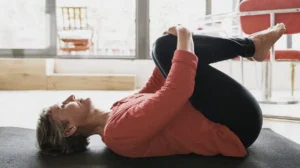
3. Keep Moving
Regular physical activity supports cardiovascular health, muscle strength and weight management.
Walking, swimming, cycling or other activities you enjoy can all form part of a healthy routine.
However, exercising more intensely after fat freezing hasn’t been shown to accelerate the body’s clearance of affected fat cells.
If the treated area feels tender or uncomfortable, avoid activities that aggravate your symptoms and follow your practitioner’s aftercare instructions.
4. Try to Maintain a Stable Weight
Fat freezing is intended to reduce selected areas of subcutaneous fat, not overall body weight.
Although some treated fat cells may be cleared, others remain.
If you gain weight, the remaining fat cells can increase in size, potentially changing the appearance of the treated area.
This doesn’t mean you need to follow a restrictive diet or monitor every small weight fluctuation.
Keeping your weight fairly consistent after fat freezing may help you maintain any changes you’ve noticed in the treated area. You don’t need to follow a strict diet, but it’s worth finding an approach to eating and staying active that fits comfortably into your everyday life.
5. Follow Your Practitioner’s Aftercare Advice
What you need to do after fat freezing can vary depending on the machine used and which part of your body has been treated. Your practitioner should talk you through what to expect and explain how to care for the area as it recovers.
Your practitioner should explain what to expect afterwards, including possible tenderness, swelling, bruising, or temporary changes in sensation.
Some treatment protocols include massage, but this does not mean massage is appropriate for everyone or proven to improve outcomes with every device.
Only massage the area if your practitioner has specifically recommended it.
How Long Does It Take to See Fat-Freezing Results?
Cryolipolysis results develop over time.
Some people begin noticing changes within several weeks, while others may need to wait a few months before the final appearance of the treated area can be assessed.
There isn’t a guaranteed timetable.
The amount of fat present, treatment settings, individual response and changes in body weight can all affect what you see.
If you’re unsure whether treatment has made a difference, speak to your practitioner about an appropriate follow-up assessment.
Comparing photographs taken under similar conditions may be more useful than relying on memory alone.
Can Body Fat Return After Fat Freezing?
Fat cells that have been damaged and cleared are not expected to return in the same way.
However, this doesn’t mean the treated area will always look the same.
Remaining fat cells can still enlarge, and changes in body weight, ageing and skin elasticity may affect your contours.
A visible reduction may be long-lasting, but no practitioner should promise that your body shape will remain unchanged permanently.
Should You Have Another Fat-Freezing Treatment?
Not everyone will need or benefit from another session.
If the treated area hasn’t changed as much as you expected, allow enough time for the initial response to develop before considering further treatment.
Your practitioner should assess the area, review the previous treatment and discuss whether another session is appropriate.
More treatment does not automatically mean a better result.
What Side Effects Should You Watch For?
Fat freezing is non-surgical, but it still carries risks.
Following treatment, you may experience:
- Redness, swelling or bruising
- Tenderness or discomfort
- Numbness or tingling
- Temporary changes in skin sensitivity
- Firmness or changes in tissue texture
Less common complications can include cold-related skin injury, persistent pain, nerve-related symptoms and uneven contours.
One particularly important complication is paradoxical adipose hyperplasia (PAH).
PAH occurs when fat tissue in the treated area enlarges instead of reducing. The area may become firmer or develop a noticeable bulge.
This complication can persist and may require medical or surgical treatment.
Seek medical advice if you experience severe or worsening pain, significant skin changes or an unexpected enlargement of the treated area.
Who May Not Be Suitable for Fat Freezing?
Cryolipolysis isn’t appropriate for everyone.
Certain conditions involving unusual sensitivity to cold, including cryoglobulinaemia, cold agglutinin disease and paroxysmal cold haemoglobinuria, may make treatment unsuitable.
Other factors that may require assessment include pregnancy or breastfeeding, circulation problems, reduced sensation, hernias, damaged skin, and previous procedures in the proposed treatment area.
Contraindications vary between devices, so your practitioner should review your medical history and the manufacturer’s guidance before treatment.
Frequently Asked Questions About Fat Freezing Results
1. How does the body get rid of fat after fat freezing?
Fat freezing works by exposing the targeted area to controlled cooling, which can damage some of the fat cells beneath the skin. Your body then breaks down and clears the affected cells over time. This can take several weeks or months, and you don’t need special detox drinks or cleansing treatments to speed up the process.
2. Does drinking water help remove frozen fat cells?
Drinking water supports normal bodily functions, but consuming extra water hasn’t been shown to speed up fat-cell clearance after cryolipolysis.
3. Can exercise make fat-freezing results appear faster?
Staying active supports overall health and can help with weight management. However, doing more exercise after fat freezing won’t necessarily make the results appear any sooner.
4. Do I need to follow a special diet after fat freezing?
There’s no need to change your diet specifically because you’ve had fat freezing. Eating a varied diet and keeping your weight fairly consistent may help you maintain any changes you’ve noticed in the treated area. No particular food or diet has been proven to speed up the removal of affected fat cells.
5. Are fat-freezing results permanent?
Some contouring changes may be long-lasting, but the treated area can still change with weight gain, ageing and other factors. Permanent body-shaping results cannot be guaranteed.
6. Can I massage the treated area?
Some device-specific treatment protocols include massage. However, you should only massage the area when your practitioner advises it, as recommendations vary.
7. What if I don’t see any results?
Not everyone experiences a noticeable reduction. If enough time has passed, arrange a review with your practitioner to discuss the outcome and whether any further treatment is appropriate.
8. Does fat freezing remove loose skin?
Cryolipolysis targets selected areas of fat beneath the skin. It is not intended to remove excess skin, and skin laxity may sometimes become more noticeable following fat reduction.
9. Can fat freezing help with obesity?
No. Cryolipolysis is a cosmetic body-contouring procedure, not a treatment for obesity or a substitute for evidence-based weight-management care.
10. Is it normal to have swelling after fat freezing?
Some swelling and tenderness can occur following treatment. However, persistent, severe or worsening symptoms should be assessed. An unusual increase in the size or firmness of the treated area also requires medical attention.
11. How many fat-freezing sessions will I need?
There is no standard number suitable for everyone. This depends on the equipment, the area being treated, your suitability, and your response to previous treatment.
Understanding Your Fat-Freezing Options with LA LIPO
If you’re considering fat freezing, understanding what treatment can realistically achieve is just as important as knowing how it works.
At LA LIPO, we provide mobile cryolipolysis treatments in customers’ homes.
Before treatment, we discuss your goals, review the proposed treatment area and assess whether the procedure is suitable for you.
We’ll also explain the possible risks, expected recovery and limitations of the treatment so you can make an informed decision.
If you’ve already had fat freezing and have questions about your results, a follow-up assessment can help determine whether the area has responded as expected.
Interested in learning more?
Contact LA LIPO to discuss our home-based fat-freezing service and arrange a suitability assessment.
Important information: This article provides general information about cryolipolysis and care following fat-freezing treatment. It is not a substitute for individual medical advice. Fat freezing carries risks, including cold-related skin injury, changes in sensation, uneven contours and paradoxical adipose hyperplasia. Results vary, and no particular fat reduction or cosmetic outcome can be guaranteed. Treatment suitability, contraindications and aftercare depend on the equipment used and individual medical circumstances. Seek independent medical advice where appropriate.